
City of Port Angeles, Washington, Plans 4% Increase in Capital Spending
Port Angeles's 2026–2031 CIP outlines approximately $373.8 million in capital spending, a 4% increase over its previous plan.
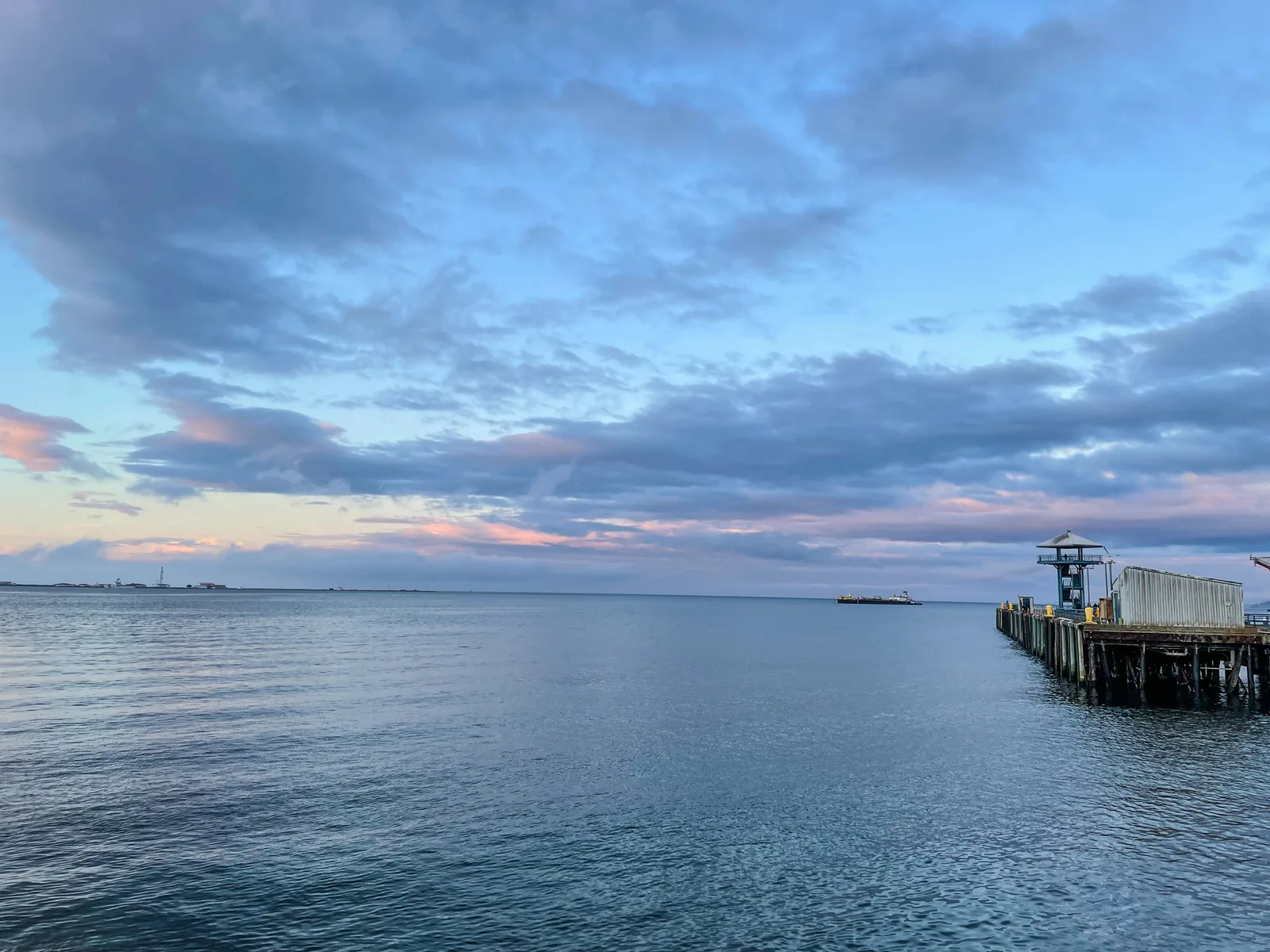
FirmoGraphs keeps its clients up to date on capital plans of interest for long-term business development. We help our customers use this information to gain a competitive advantage and improve proactive conversations with their clients. We recently processed the latest capital spending plan by the city of Port Angeles, Washington. Here are our observations.
How Much Is Port Angeles Planning to Spend on Capital Projects?
In the CIP covering fiscal years 2026–2031, the city of Port Angeles, Washington outlines plans to spend approximately $373.8 million on capital projects, a 4% increase from $360.1 million in its previous 2025–2030 CIP. The current CIP includes capital investments across 14 departments or business areas, compared to 13 in the earlier plan, with a new emphasis on housing. The table below breaks down Port Angeles’s capital spending by business area for the two CIPs.
Top 3 Capital Projects by Value (2026–2031 CIP)
- Race Street Complete Street Corridor Improvements, valued at $42 million. A major transportation project to improve the Race Street corridor with multimodal infrastructure, pedestrian access, and roadway improvements.
- Landfill Closure and Waste Transfer Station Improvements, valued at $20 million. Upgrades to solid waste infrastructure, including final landfill closure and development of an expanded waste transfer station.
- Peabody Creek Stormwater Improvements, valued at $8 million. Major investment in stormwater management to improve flood mitigation and environmental protection in the Peabody Creek basin.
How Does Port Angeles Approach Capital Planning?
Port Angeles maintains a six-year Capital Facilities Plan (CFP) aligned with its biennial budget and Comprehensive Plan, updated annually to reflect changing priorities and funding availability. Capital projects are prioritized through interdepartmental coordination and public input, with emphasis on asset preservation, system upgrades, and environmental stewardship. Funding sources include utility rates, real estate excise taxes (REET), state/federal grants, and general obligation bonds.
History of Port Angeles, Washington
Port Angeles, situated on the northern coast of the Olympic Peninsula, has a rich history dating back thousands of years as the traditional territory of the Lower Elwha Klallam Tribe. The city was named by Spanish explorers in 1791 and became a hub for logging, fishing, and maritime trade. Incorporated in 1890, it remains the largest city in Clallam County, with a population of around 20,000. Today, Port Angeles is known for its proximity to Olympic National Park, active waterfront, and growing tourism and clean energy sectors.
Fun Facts About Port Angeles
- The city is a gateway to Olympic National Park, a UNESCO World Heritage Site.
- Port Angeles is home to the Feiro Marine Life Center, an interactive marine science museum.
- Olympic Medical Center, one of the top rural hospitals in Washington, is headquartered here.
- The Port Angeles Fine Arts Center features a public art sculpture park in a forested bluff.
- A popular ferry route connects Port Angeles to Victoria, British Columbia across the Strait of Juan de Fuca.
How FirmoGraphs Can Help
FirmoGraphs curates data about U.S. public sector markets, including transportation improvement programs, regulatory developments, and other critical information. We help our customers use this information to gain a competitive advantage and improve proactive conversations with their clients. We’d be glad to meet with you and help your company sort through the wealth of information in improvement programs and other publicly available documents. Feel free to request a meeting and review the data live on our Business Intelligence platform.
Frequently asked questions
- How much does Port Angeles plan to spend in its 2026–2031 CIP?
- The city plans to spend approximately $373.8 million on capital projects, a 4% increase from $360.1 million in its previous 2025–2030 CIP.
- What is the largest capital project in the Port Angeles CIP?
- The Race Street Complete Street Corridor Improvements, valued at $42 million, is the top project—a major transportation effort to improve the Race Street corridor with multimodal infrastructure, pedestrian access, and roadway improvements.
- How does Port Angeles fund its capital projects?
- Funding sources include utility rates, real estate excise taxes (REET), state/federal grants, and general obligation bonds.
- What changed between the two most recent Port Angeles CIPs?
- Total planned spending rose 4%, and the number of departments or business areas with capital investments increased from 13 to 14, with a new emphasis on housing.